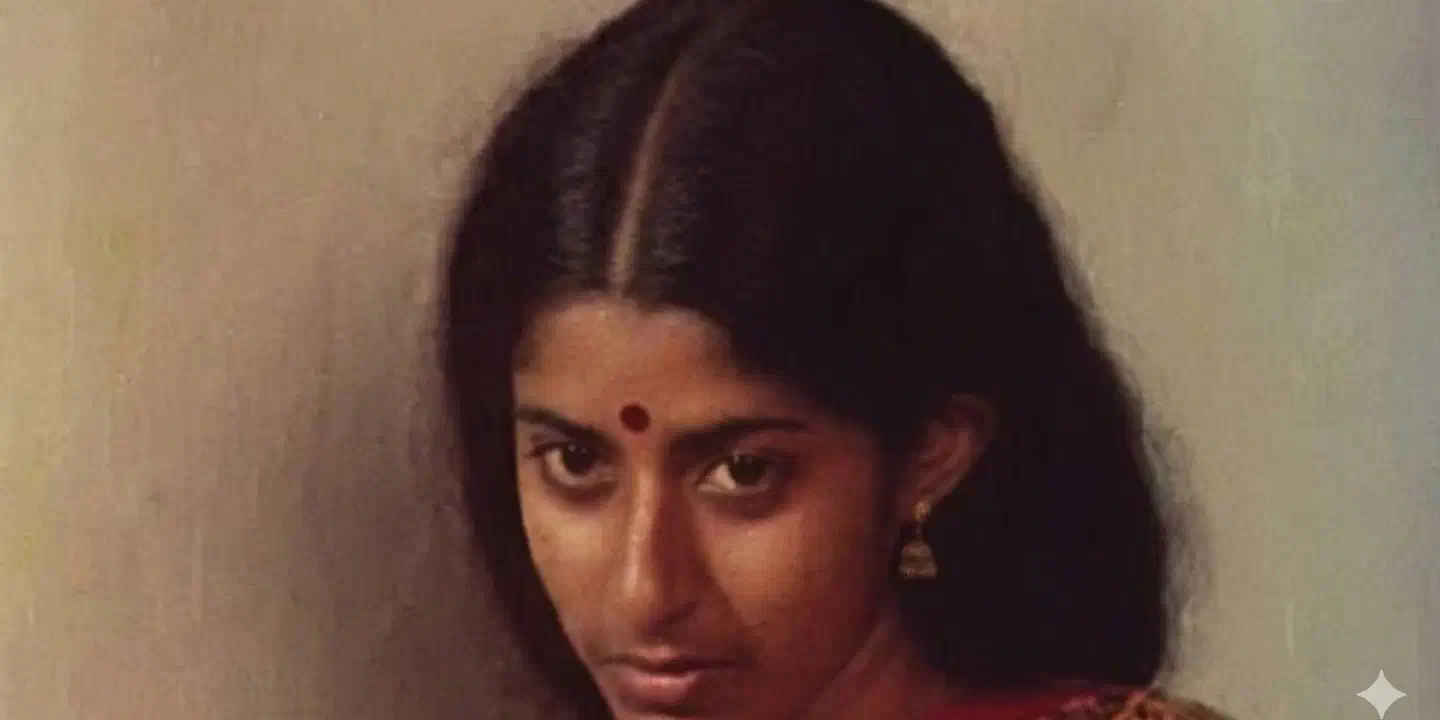
I watched Yavanika (1982), directed by K. G. George, the classic which pioneered investigative thrillers in Malayalam cinema. Can we call this movie the ancestor of Drishyam, Mumbai Police and Joseph? I think we can.
There are spoilers in the upcoming sections. Try watching the movie on YouTube for free.
Yavanika (transl. curtain) begins in the backdrop of a cold morning, a gloomy morning succeeding the heavy rainfall of the previous night. We can feel the sullen mood of characters in a morning like this, but the cast members of Bhavana Theaters cannot slow down. They are getting ready for a journey to play their drama, Karuppum Veluppum, in the next venue. We experience the synergy between the troupe members: the troupe owner Vakkachan who is overseeing everything and everyone, Balagopalan with his flirtatious mannerisms and Varunan with his humorous dialogues and wit. Before the bus departs, Joseph Kollapally arrives late and cites losing his keys as the reason. We also get introduced to Rohini, the lead actress who doesn’t know where Ayyappan, the tabla player for the group, is (she is living with Ayyappan). Note that there are other relevant members in Bhavana Theatres I have not mentioned.
As Ayyappan is an essential part of the music department, Vakkachan and his group search for him but to no avail. The play begins with the group singing “Bharatha Muniyoru Kalam Varachu”. Listening to this old school Malayalam music gives us some classic vibes. As the group puts on their customes and sings this song together, we really experience the theatre culture we had back in the days. The cast and orchestra somehow manage Ayyappan’s absence without affecting the show. Vakkachan decides to hire a replacement for their next show. After playing in other locations and receiving good feedback from the audience, the troupe gets back to their camp area.
As fourteen days pass by, Vakkachan and his crew begin to get concerned when there is no news of Ayyappan. They finally tell the police. This is when the story starts to take a turn. Some suspect he might have been murdered. We are introduced to Jacob Eeraly, the Inspector in charge of this case.
When I say the story took a turn after the 14 days of Ayyappan’s disappearance, I really mean it. The directorial brilliance of K. G. George culminates through the flashbacks featuring Ayyappan and other characters. We can never see Ayyappan’s side of the story anywhere in this movie. We never see him alone. He is portrayed through the eyes of others. This storytelling makes the movie engaging. Was K. G. George trying to say that people like Ayyappan don’t deserve their own point of view? Some people are so evil that they don’t deserve an explanation or justification for their actions?
The flow of Yavanika from this point onwards is:
- Jacob questions a cast member.
- The cast member tell their side of the story involving Ayyappan.
- Jacob tries to find a reason why they might have killed Ayyappan.
- Repeat.
What makes this pattern interesting is Ayyappan himself. Ayyappan left home at the age of 15, went to Lucknow, came back home after 15 years. When he reappeared, he was a skilled tabla player and an eccentric man. As a womanizer who picked up a variety of bad habits and a bad temper, Ayyappan wastes money earned playing table on alcohol. He has a wife and a young adult son named Vishnu, who despises him. Instead of looking after his family or caring about anyone or anything, Ayyappan indulges in life’s pleasures while playing tabla to support his expenses. When Ayyappan acts inappropriately towards a female cast member, Varkkachan has no choice but to fire him from the Bhavana Theaters. After a brief stint at other jobs, Ayyappan apologizes, promises to stay clean and rejoins the theater group. This is when we get introduced to Rohini, a dancer who has a lot of financial and family issues. On the promise of a better life, Rohini falls into Ayyappan’s trap, only to be abused by him. Although she gets a better livelihood as an actress in the Bhavana Theaters, Ayyappan governs every aspect of her life. We see potential for a relationship between her and Kollappalli, but things take a turn when Ayyappan starts a fight with him. Because of Ayyappan’s narcissistic, selfish and cruel character, Varnan states bluntly to Jacob that he might have been killed.
Jacob’s investigation is made realistic through his idiosyncrasies. After questioning someone, he finds a reason for the cast member to have murdered Ayyappan and confronts the person in a furious tone. Another aspect of his quirks is what I call the wrong question feedback. If a witness says “I gave 450 rupees to Ayyappan”, Jacob asks an abrupt question: “Was the 550 rupees given right away?” This makes the witness confused and defensive, which helps him see if they are lying.
My favorite scene in this movie was when Jacob questions Vishnu. Vishnu had come to ask for money from Ayyappan on the night Ayyappan disappeared. So obviously, he’s a suspect. He confesses that he wanted to kill his father, but hadn’t done so. The defiance and arrogance in young Vishnu, which grew out of his hatred towards his father, is funny and thought provoking at the same time.
The movie proceeds with the police finding the body of Ayyappan (Jacob was investigating his disappearance, not murder) after two months. He has been stabbed to death and was buried in a paddy field. With a key chain the police found on the body, they conclude that Joseph Kollapally had committed the crime. The police let him perform one last time for Bhavana Theaters (This was obviously a bluff. Jacob knew who the real killer was). News of Kollapally getting caught makes the real murderer, Rohini, lose her mind. She confesses out loud during the drama that she killed Ayyappan. Here’s what happened. When a stubborn Vishnu arrives to ask for money from his father, Ayyappan sells the earrings Rohini had saved up for her sister’s wedding. Losing her entire savings along with Ayyappan’s casual but vicious remark that he will make her sister end up with him, makes an enraged Rohini to stab him. After the murder, Kollappalli helps her dispose the body.
The storytelling style of K. G. George is what makes Yavanika engaging. The plot is simple; a woman murders a man because of the evils he had committed against her. But the director was able to make the movie memorable through the eyes of a theater group and their characteristics. We see the drama they perform. We see the disarray and chaos that goes behind the scenes, the mistakes they make during the play, the praises and admonitions they receive, and the harmony they share. Each character has their own positive and negative sides. When Jacob chastises quick-witted Varunan, we get to hear Varunan’s side of the story. He’s a poor man with a lot of struggles. He is trying to make his adversities into comedy. While Varunan is trying to make a living, Balagopalan is really passionate about acting and tries to help fellow cast members. These in-depth character arcs of each individual in Bhavana Theaters make the movie unforgettable.
Then there is the character-by-character unraveling of Ayyappan. We get to know him through the pov of theater actors. Through Barath Gopi’s characterization of such a haunting character as Ayyappan, we are always on the edge of our seats.
The imagery of Ayyappan getting killed during a rainy night, and the gloomy morning which followed, shown at the beginning of the movie, represents the state of mind of the actors themselves. A menacing personality that always caused trouble for them is not alive anymore. But instead of a cheerful life, their lives turn dreary. Was K. G. George trying to say that soon they will have peace among themselves or does he mean the memory of Ayyappan will always cast a shadow over their lives?